
SEN learning library
Reading, spelling, maths and speech activities for children aged 5 to 12, plus signs, checklists and school support, for parents and teachers. Word lists, worksheets, games and guides, all in one place.
Looking for help with big feelings, meltdowns or worries instead? Go to SEN Kids’ Wellbeing →
Choose an age
UK school years and US grades for each age
What do you need help with?
Choose a need
Prefer a step-by-step plan? Try a free 10-minute course, with worksheets to print.
All learning guides, A to Z
-
Speech and Language Therapy for Autism: What Really Helps
-
Speech Delay or Autism? How to Tell the Difference
-
Speech, Language and Communication Needs: A Parent’s Guide
-
Stammering in Children: Signs, Causes and How to Help
-

Teach dyslexic kids reading, guide for ages 5-10+
-

The 3 Types of ADHD in Children (and the 7 Types Claim)
-
The Difference Between Speech and Language, Explained
-
Times Tables and Dyscalculia: Tips That Really Work
-
Top 10 apps for kids with dyslexia (plus free tools)
-
Top 10 online reading programmes for dyslexic kids
-
Top 10 reading pens for dyslexia (C-Pens that read aloud)
-
Top 8 reasonable adjustments for dyslexic kids in classroom
-
True or false quiz for kids, bust dyslexia myths in 5 minutes
-
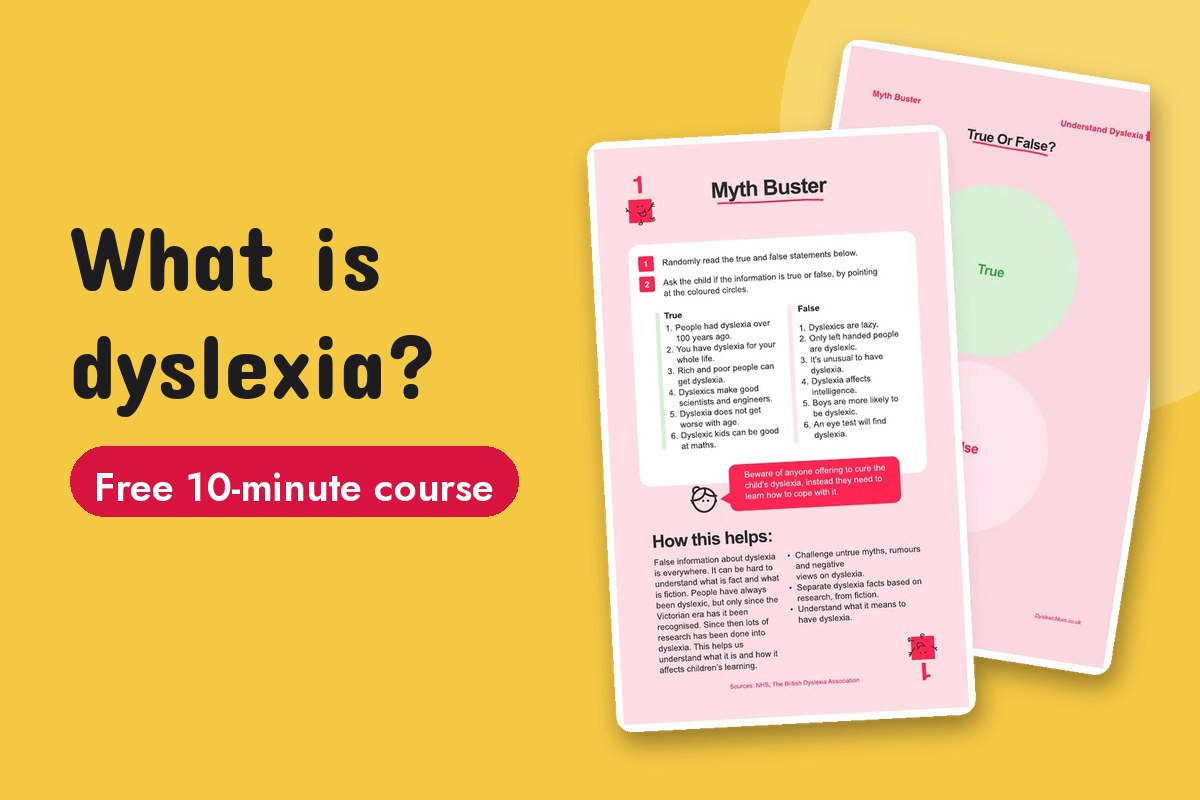
Understand dyslexia, help dyslexic child in 10 minutes
-
Using rhymes to help dyslexic children aged 6-10 spell
-
What are the best dyslexia interventions and screening tools for schools?
-
What Causes Autism? Genetics, the Brain and Common Myths
-
What Causes Dyscalculia? Genetics, the Brain and Myths
-
What colour overlay is best for dyslexia? Do overlays really work?
-
What colour paper is best for dyslexia? (And does it help?)
-

What Does a Speech and Language Pathologist Do for Children?
-

What is an educational learning plan for dyslexia?
-
What Is Autism? A Clear Guide for Parents and Teachers
-
What Is Developmental Language Disorder (DLD)? A Parent’s Guide
Did practice end in tears tonight? Here’s 10 minutes to calm things down, for both of you.
Join our free group
You’re not on your own. Ask questions, share what works and get quick ideas from people who get it.

For SEN mums, parents and carers
The group is free. More about our group