What causes autism? This calm, evidence-based guide explains what research tells us about the causes of autism, why genes matter so much, and which common myths you can stop worrying about.
If your child is autistic, it’s natural to ask “why?”. Many parents also quietly wonder if they did something wrong. You didn’t. Autism is not caused by anything you did or didn’t do.
What causes autism?
There is no single cause of autism. The NHS says it’s not known exactly what causes autism, but that it can run in families. It describes autism as a difference in how the brain develops, not an illness.
The American Academy of Pediatrics (AAP) says in its guide to understanding autism that:
- There is no single, common reason why people are autistic.
- Family history and genetics play a role, and the evidence for this keeps growing.
- Brain differences have been found between some autistic and non-autistic children.
- Environmental factors are being studied, but are not yet well understood.
Doctors sometimes call the study of causes the “aetiology” (etiology in the US) of autism. In plain English, it means “where it comes from”.
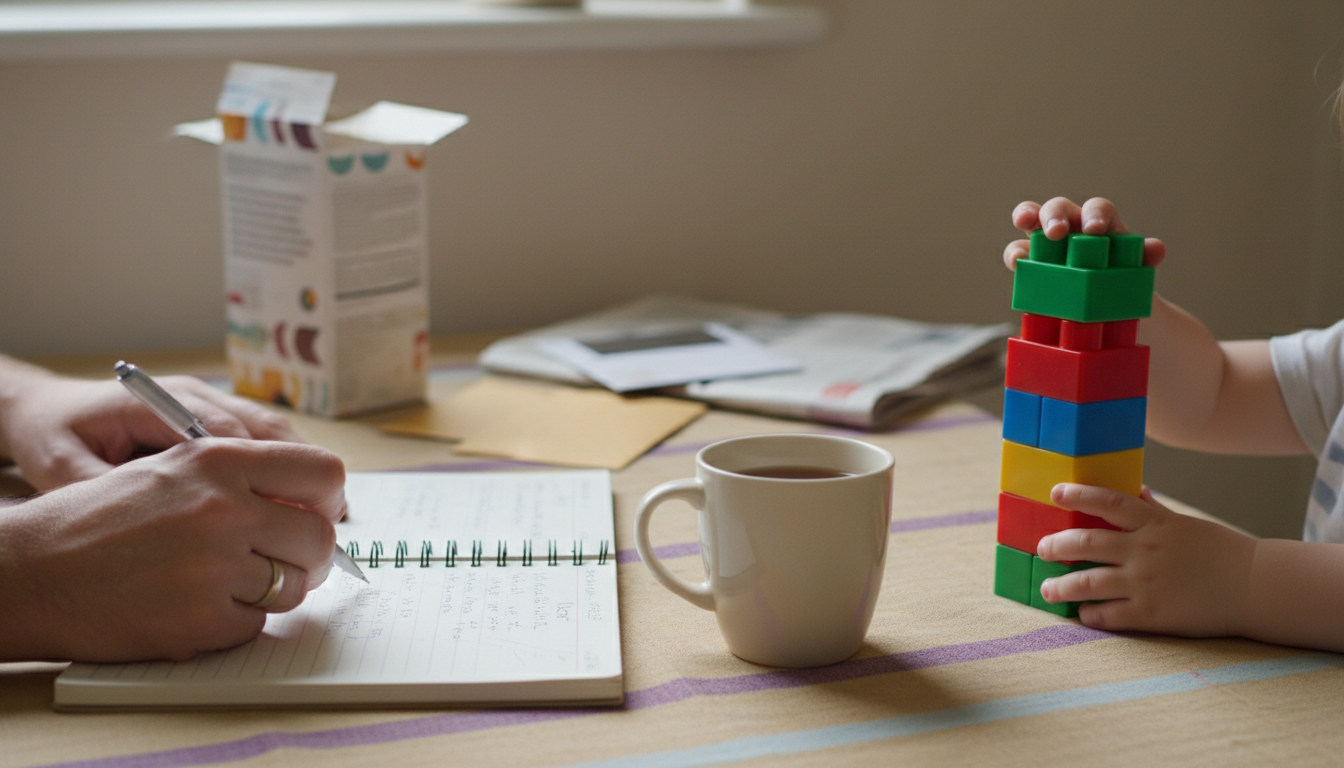
Genetics: why autism runs in families
Genes are the biggest piece of the puzzle. The AAP says that when a family has one autistic child, a brother or sister is 10 to 20 times more likely to be autistic than children in general.
This doesn’t mean there is one “autism gene”. The National Autistic Society explains that thousands of genes combine, and that most autistic people are autistic because of genes passed on from their parents. Most autistic children don’t have a single medical or genetic condition that explains their autism, the AAP adds.
Many parents notice autistic traits in themselves, a partner or a grandparent once their child is diagnosed. That’s very common, and it can help you understand your child even better.
How do you explain autism to your child?
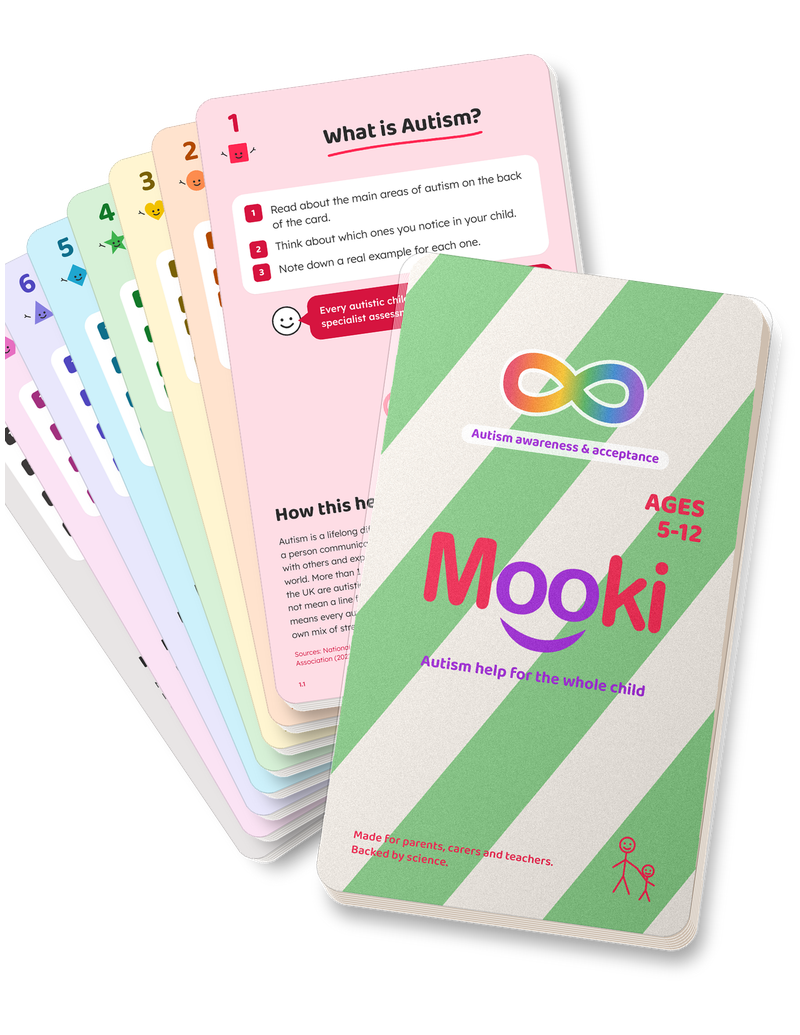
What is Autism?, Explain Autism and My Strengths help you talk about autism in a positive, simple way. Each is one of 56 ten-minute activities in the Mooki Autism deck.
Instant download · use on a phone or tablet, or print and fill in at home or school
A different brain, not a damaged one
The NHS describes autism as a difference in how the brain develops, not an illness or disease. It is lifelong, and it is part of who your child is from the start.
That difference brings challenges, such as finding noise, change or social rules hard. It often brings strengths too, such as deep focus on interests, a strong memory for detail, honesty and a fresh way of seeing problems.
Thinking of autism as a difference, rather than something that went wrong, helps many families. It moves the question from “what caused this?” to “what does my child need to thrive?”.
What about other factors?
Researchers are still studying whether things around pregnancy and birth play a part alongside genes. The World Health Organization lists some factors that are reported more often in autistic children, such as being born very early, a very low birth weight or older parents.
These are links, not causes. Most children born early, or to older parents, are not autistic, and many autistic children have none of these factors. If you are expecting a baby and have questions, your midwife or GP is the best person to ask.
Things that do not cause autism
- Your parenting. Warm, strict, busy or relaxed, parenting style does not cause autism. In the mid-1900s some experts wrongly blamed “cold” parents, but the National Autistic Society explains that genetic research showed this idea was wrong.
- Something your child ate. Diet does not cause autism.
- A difficult time in your family. Stress, separation or a house move can affect how a child copes, but they do not cause autism.
Autism is part of who your child is. Understanding where it comes from can help you let go of guilt and focus on what helps. Many parents say that once the “why” questions settle, they have more energy for the “what now” ones: how to make home calmer, how to work with school and how to help their child feel proud of who they are.
Try it today: answering “why am I autistic?”
If your child asks why they are autistic, you can use this 10-minute chat.
- Start with brains (2 minutes): “Everyone’s brain is a bit different. Your brain is an autistic brain. It was made that way.”
- Link to family (2 minutes): “Lots of things about us come from our families, like hair colour or being tall. Brains are a bit like that too.”
- Name strengths (3 minutes): list three things their brain is brilliant at, such as remembering facts or noticing details.
- Name one tricky thing (2 minutes): “Loud noises can feel too much. That’s why we have your ear defenders.”
- End warmly (1 minute): “Nothing went wrong. You are exactly who you’re meant to be.”
The bottom line
The causes of autism are mainly genetic, and research is still uncovering the details. You did not cause your child’s autism. What matters most now is understanding your child and getting the right support. If you have questions, talk to your GP or paediatrician, or your child’s school.