
Is it SEN?
Wondering whether it’s “just a phase” or something more? Here are the common signs of each need, simple checklists, and when to ask for help. You don’t need a diagnosis to start helping your child.

Try this now
3 ten-minute first steps
- Keep a one-week diary. Note when things are hard, what happened just before, and what helped.
- Write down their strengths too. What they love, what they’re good at and what calms them. It helps any assessment.
- Share it with school. Ask the class teacher or SENCo for a chat and take your diary with you.
Whatever the answer, Mooki cards give you 10-minute activities you can start with now.
Signs of each need
Get the Mooki Cards
56 ten-minute activities for the hardest moments, from mornings to meltdowns. Try a free starter pack with the code HELPEVERYCHILD until 31 January.
You’re not on your own
Join our free Facebook group, where SEN parents share what’s working, one small win at a time.
Free 10-minute courses
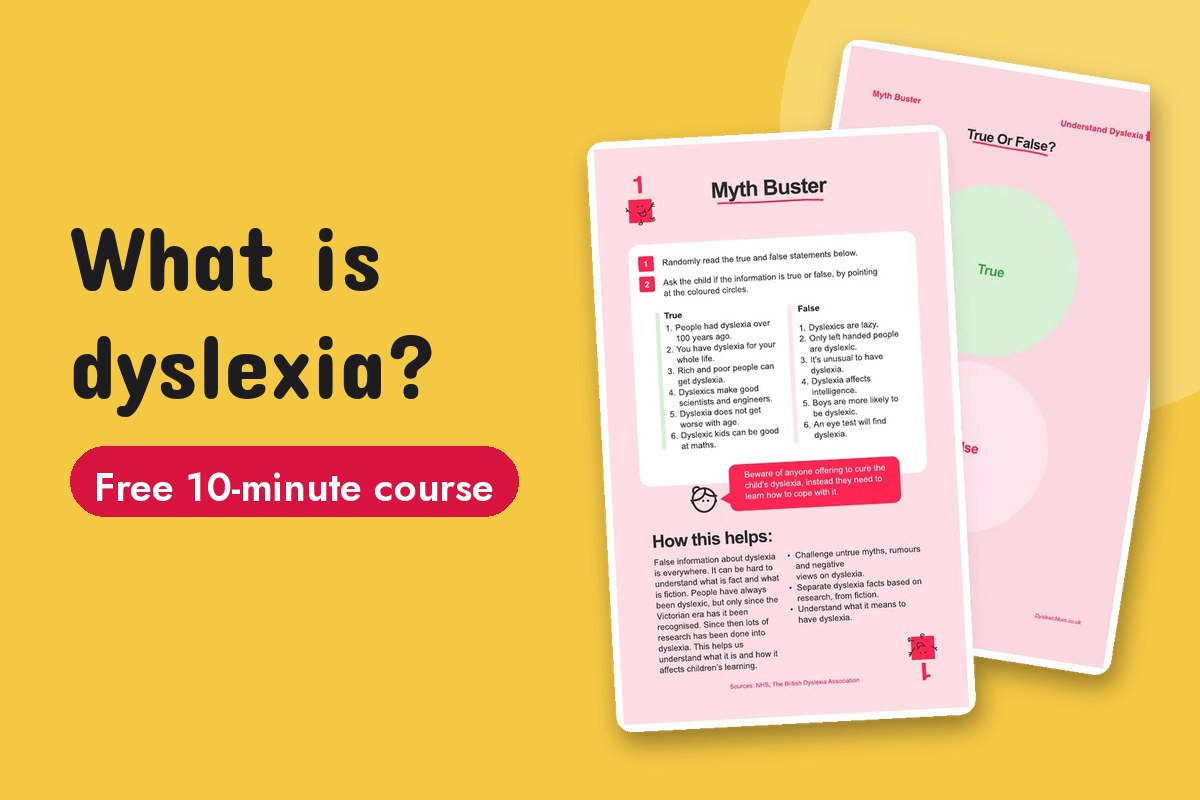
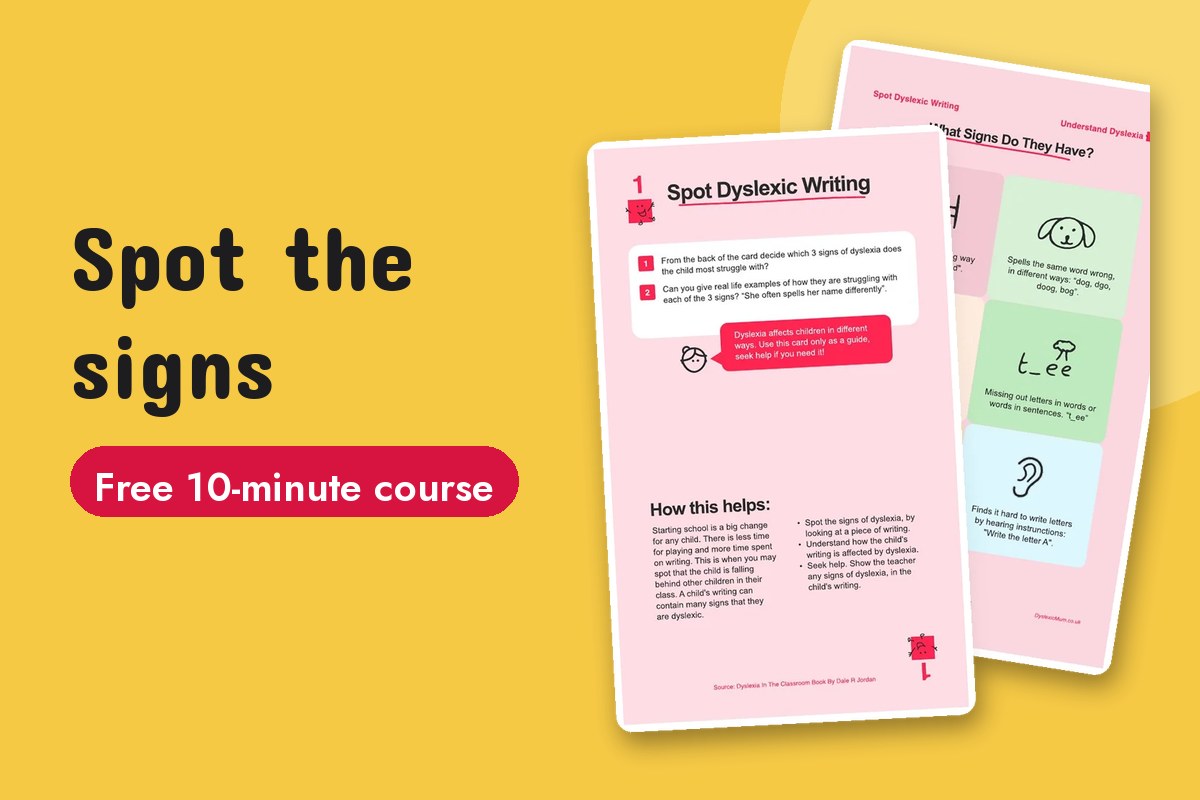
Short activities over a week, with free printable worksheets.
More on spotting SEN
-
Autistic burnout in children: signs at home and how to help
-
Is Dyscalculia a Learning Disability? SEN and SLD Explained
-
Signs of Autism in Children: 10 Key Traits Explained
-
Speech Delay or Autism? How to Tell the Difference
-
What Causes Dyscalculia? Genetics, the Brain and Myths
-
Autism Facts and Statistics: How Common Is Autism in Children?
-
Anxiety vs anxiety disorder: how to tell in your child
-
Autism in Girls: Signs That Are Often Missed, Including Masking
-
What Is Developmental Language Disorder (DLD)? A Parent’s Guide
-
ADHD and Learning Disabilities: Dyslexia, Dyspraxia and More
-
Speech and Language Delay: Signs and When to Worry
-
3 Levels of Autism Explained: What Level 1, 2 and 3 Mean