Help a dyslexic child understand their anger and talk about what’s behind it. 3 short activities, 10 minutes each, over 1 week.
At a glance
- Time: 3 activities, 10 minutes each, over 1 week
- You need: pens or crayons, a quiet spot, and the 3 free worksheets below
- By the end: you’ll know what triggers the child’s anger, and have 2–3 ideas that help
Why the anger?
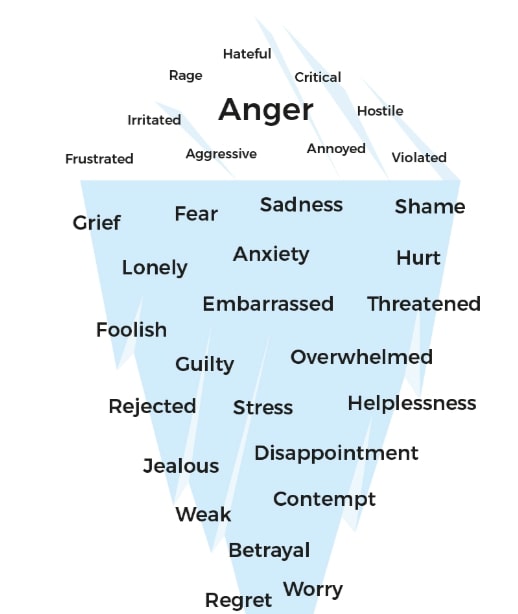
Anger is often just the tip of the iceberg. Underneath, a dyslexic child may be feeling fear, frustration, sadness, tiredness or overwhelmed. Dyslexic children often feel emotions strongly and bottle them up, until they come out as an angry outburst.
Before you start
- Print the worksheets. Or the child can draw their own on plain paper.
- One a day. Do each activity on a different day so the child doesn’t feel overwhelmed.
- Quiet and calm. Pick a time when the child is calm, not straight after an outburst.
- Listen first. Don’t rush to fix things. Sometimes listening is the help.
Day 1: How are you feeling?
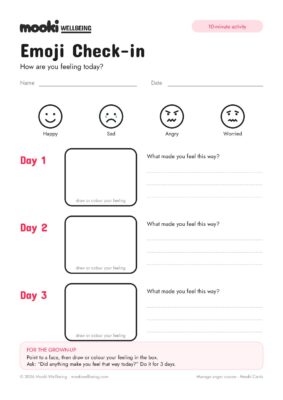
Helps the child show and name how they feel. Uses the Daily Emoji Check-in card.
- Ask the child to point to the face that shows how they feel.
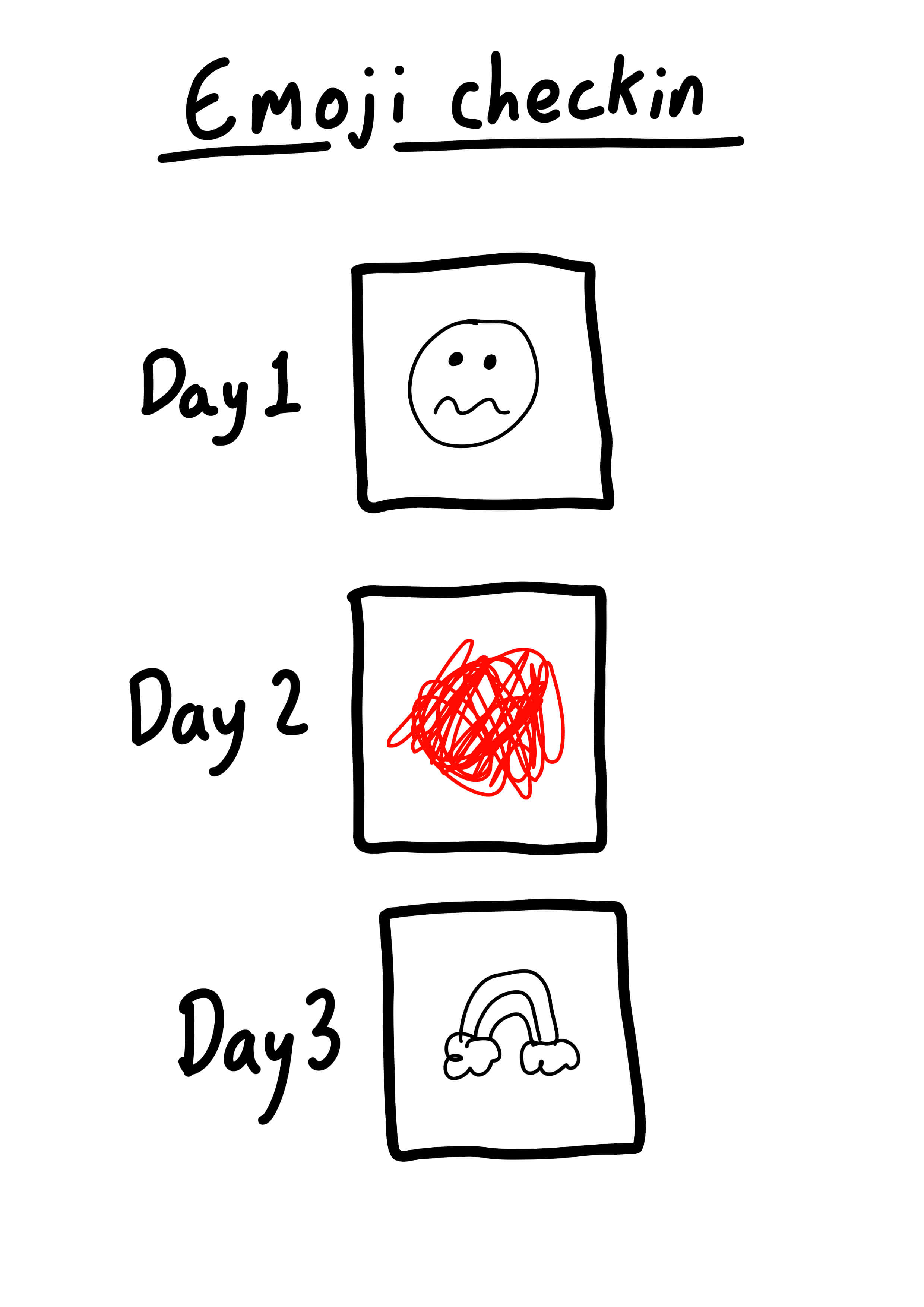
- Ask them to draw or colour their feeling in the Day 1 box.
- Ask: “Did anything make you feel that way today?” Write their answer next to the box.
Tip: repeat the check-in for 3 days to spot a pattern.
Day 2: What makes you angry?
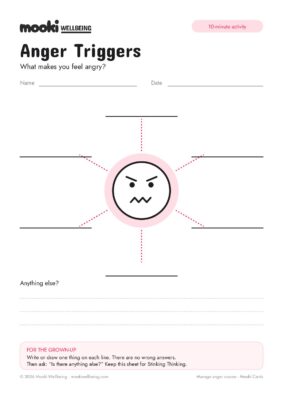
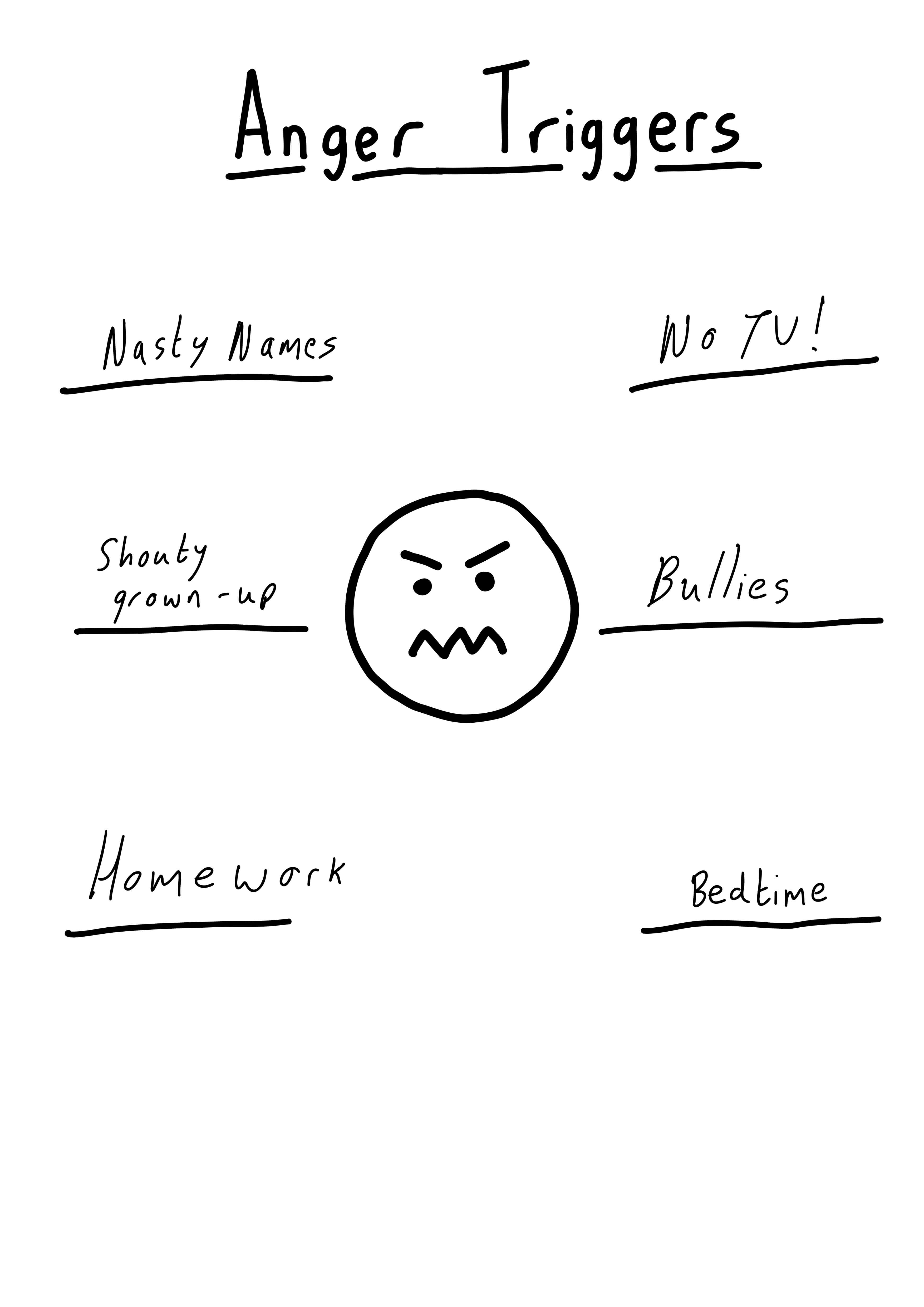
Helps the child spot their anger triggers. Uses the Anger Triggers card.
- Ask: “What makes you feel angry?” Write or draw one answer on each line.
- Ask: “Is there anything else?” Add it at the bottom.
Tip: keep the sheet. You’ll use it on Day 3.
How it went
One SEN parent tried the Anger Triggers activity at home:
“I waited until the afternoon to try it. We’d baked in the morning, had lunch and watched some TV, so I knew my child was rested, fed and had done something fun.
I asked them to colour in the faces first. They enjoyed choosing a colour for each one and talking about the expressions. Then I asked them to write down things that make them feel angry. Guess what? One of them was me.
Trying not to take offence, I asked why. ‘Because you always tell me what to do and shout.’ I asked what they’d like me to do instead. ‘Speak, rather than shout.’ I said sorry, and that I’d try to give instructions in a calmer voice.
They added more triggers, like other children laughing at them at lunchtime. When they got stuck, we looked at the ideas on the Anger Triggers card. We stopped there for the day and ended on a good note.”
Day 3: What could help?
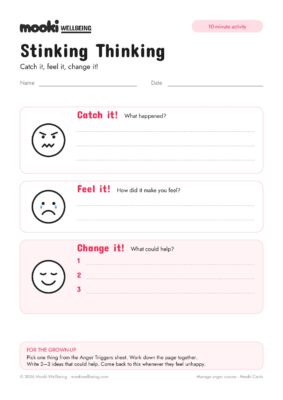
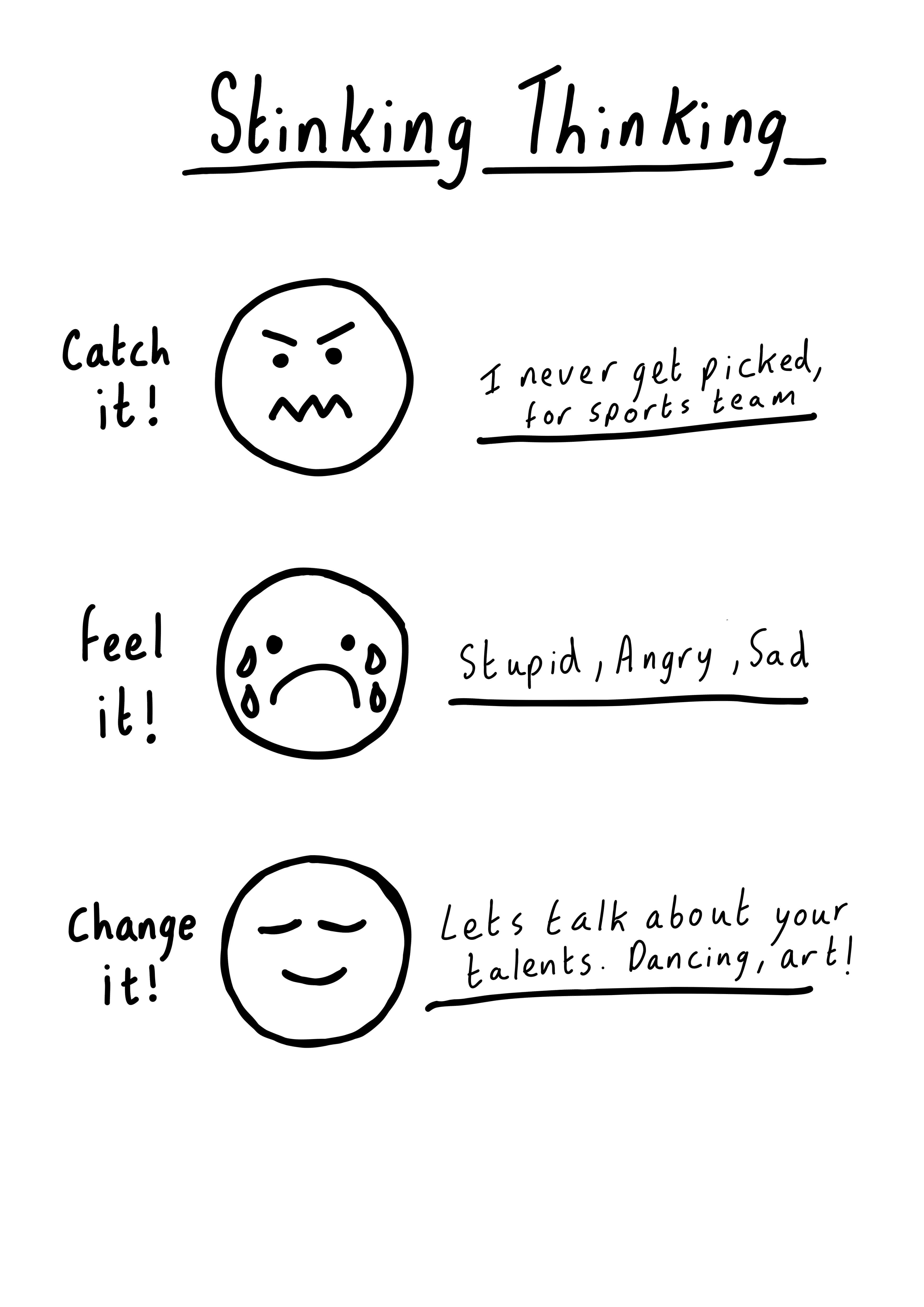
Gives the child some control over the things that upset them. Uses the Stinking Thinking card. Work down the sheet together:
- Catch it! Pick one thing from the Day 2 sheet. Ask: “What happened?”
- Feel it! Ask: “How did it make you feel?” Write down every feeling, even the hard ones.
- Change it! Together, write 2–3 things that could help. For example, a break after school or time for a hobby they love.
Tip: come back to this sheet any time the child is feeling unhappy.
After the week: ask yourself
- Which feelings came up most?
- What are the child’s main anger triggers?
- Which idea from Day 3 will you try first?
Want more 10-minute activities like this?
Mooki SEN Activities is one book of 30 hands-on, 10-minute wellbeing activities for ADHD, autism, dyslexia, anxiety, speech and language, dyscalculia and dyspraxia, with or without a diagnosis. Steps for you on the front, a picture activity for the child on the back.
Printed book or PDF download · for teachers, TAs and SENCOs