Looking for anxiety toys for kids, or a kind gift for a child who worries? Calming toys aren’t magic. A fidget won’t make worry disappear. But the right one, used the right way, can help your child settle their body and feel a bit more in control.
How can calming toys help?
When a child is worried, their heart races, muscles tense and thoughts spin. Calming toys:
- give busy hands something to do
- pull attention back to the senses, away from “what if” thoughts
- remind them to use a calm skill, like slow breathing
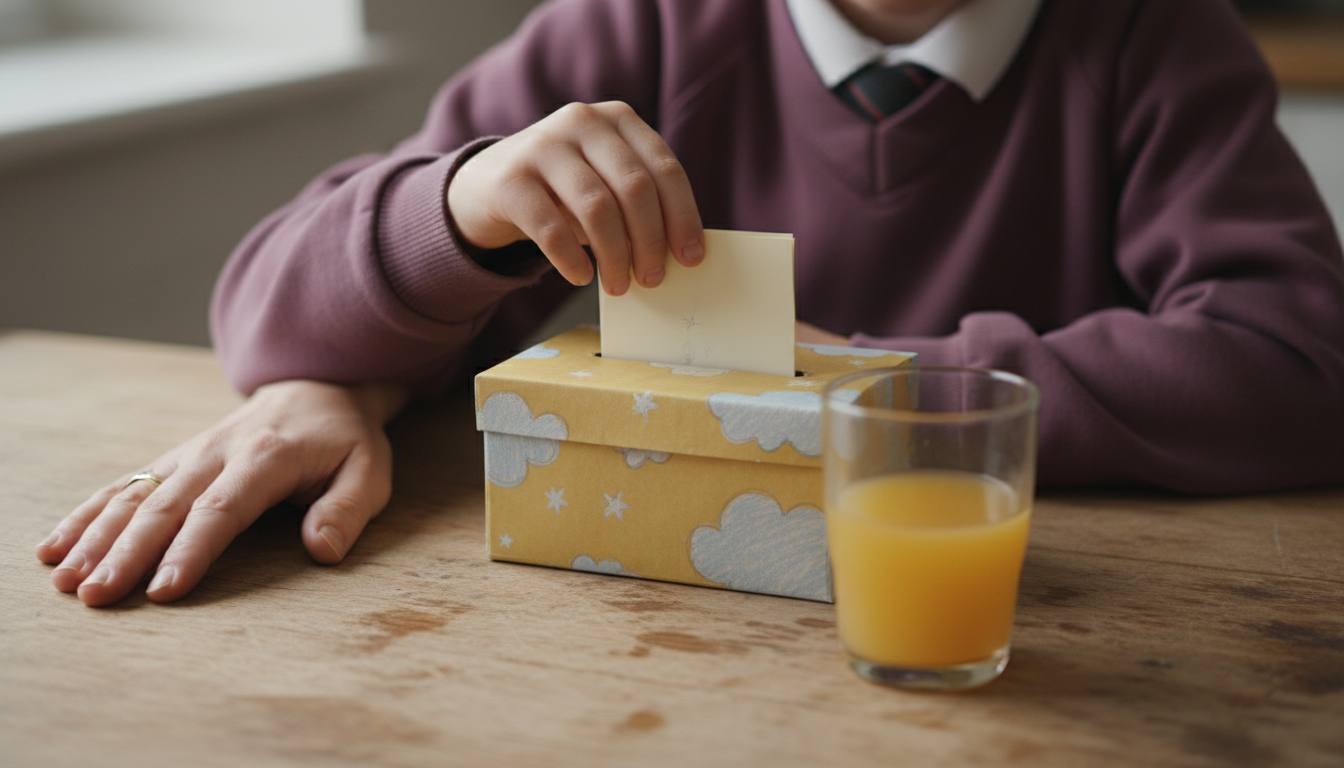
Types of anxiety toys for kids
Every child is different, so try a few and see what your child likes.
- Fidget toys: stress balls, stretchy strings, tangles. Quiet ones are best for school.
- Squishy toys and play dough: squeeze tight, then let go.
- Comfort objects: a soft toy, small blanket, or a T-shirt that smells of home.
- Breathing toys: pinwheels, bubbles and feathers make slow breaths fun.
- Calm-down jars: a sealed bottle of water and glitter. Shake it and breathe while it settles.
- Creative toys: colouring, Lego, clay and craft kits.
- Ear defenders for children who find noise too much.
- Anxiety bracelets: a bead bracelet where they slide one bead for each slow breath. It works because they practise with it, not because of what it’s made of.
Try this today: build a mini calm kit in 10 minutes
- Find a small box or pencil case. Collect 3 or 4 things you already have, like a soft toy, stress ball or smooth stone.
- Try each one together. Squeeze the ball as you breathe in, let go as you breathe out.
- Your child picks their top three.
- Agree where the kit lives and when to use it, like homework time or bedtime.
Help for you and your child, in one parcel
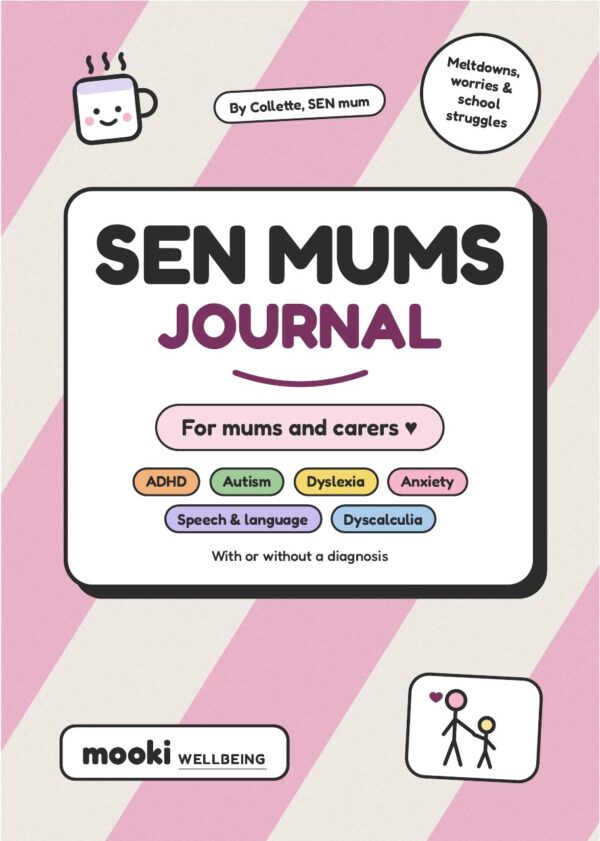
The SEN Mums Journal gets you through the hard moments. The SEN Kids Toolkit gives you 20 ten-minute activities to do together. Both books for £24, save 20%.
Safety first: check before you buy
- Small parts: follow the age label. Keep small parts away from under-3s and children who mouth things.
- Magnets and button batteries: avoid them. Both are very dangerous if swallowed.
- Weighted lap pads: only while awake and watched, on the lap, never over the face, neck or chest, and never for sleep. Ask an occupational therapist first.
- Slime and dough: check labels and watch younger children.
- Sensory bottles: glue or tape the lid shut.
How to use calming toys well
- Practise on calm days so it’s familiar on hard days.
- Pair it with a skill, like breathing.
- Talk to school about a quiet fidget in class.
- Swap toys around so they stay interesting.
- Toys aren’t enough alone. Listening, routines and time together matter just as much.
For more ideas, see our coping skills for kids with anxiety and worry box guide.
Gift ideas for a child who worries
- a calm kit in a pretty box
- a cosy blanket or soft toy for a reading corner
- a feelings book to read together
- art and craft supplies
- time together, like a nature walk or baking
Could it be something more?
If worry is affecting school, sleep or friends, toys won’t be enough on their own. See anxiety symptoms in kids or try our anxiety checklist.
Getting help
In the UK: talk to your GP or the school SENCo. The NHS has more on anxiety in children.
In the US: talk to your pediatrician.
The bottom line
The best anxiety toys for kids are simple, safe and used with calming skills. Try a few, let your child choose, and practise on calm days. You know your child best.